Sacred Pathways of the Himalayas: An Inspiring Journey Through Ancient Traditions
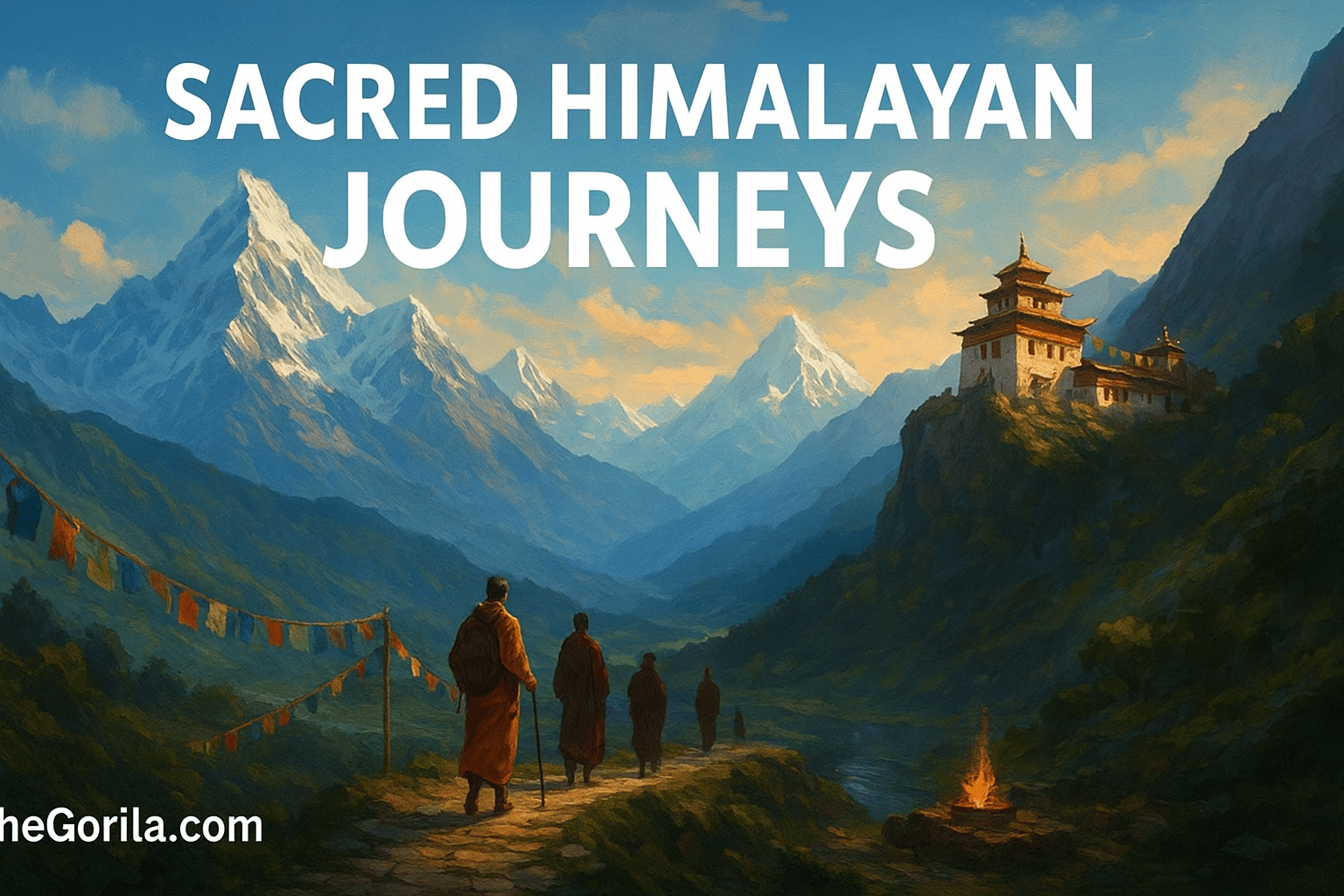
The Himalayas have long been celebrated as the spiritual roof of the world—a vast mountain realm where nature and divinity meet in a harmonious dance of mystery and awe. From ancient monasteries perched on cliffs to secret pilgrimage routes carved by centuries of devotion, the region is home to some of the most fascinating spiritual traditions on Earth. The Sacred Pathways of the Himalayas continue to attract seekers, travelers, and historians who wish to understand the profound rituals and living traditions that have survived the test of time.
This article takes you deep inside the mountains, revealing how ancient rituals began, why particular routes became sacred, and how Himalayan communities have preserved their spiritual identity for generations. These are not just pathways of stone and snow—they are gateways to the soul.
For an extended look into the cultural spirit of the region, you may also explore Inside Himalayan Culture, an in-depth guide to hidden traditions that enrich this mountainous world.
Table of Contents
The Meaning Behind the Sacred Pathways of the Himalayas
Why These Routes Are Considered Sacred
The Himalayan pathways were not defined by cartographers or explorers but by sages, monks, shamans, and villagers who walked these mountain trails with reverence. Many belief systems—from Hinduism and Buddhism to Bon and Indigenous mountain faiths—consider certain routes as spiritually charged because they align with:
- Mythological stories of gods and enlightened beings
- Natural formations believed to hold divine energy
- Sites where spiritual masters meditated for centuries
- Mountains revered as living deities
Travelers crossing these ancient routes don’t simply witness landscapes—they experience spiritual symbolism woven through the peaks, rivers, caves, and monasteries.
Origins of Ancient Rituals Across the Himalayan Belt
Rituals Rooted in Nature’s Forces
Nature is inseparable from Himalayan spirituality. For thousands of years, rituals have centered around the elements that shape mountain life:
- Fire rituals symbolizing purification
- Water offerings made to rivers believed to carry divine energy
- Wind prayers through fluttering prayer flags
- Earth rituals honoring sacred mountains and fertile valleys
These practices express a profound respect for nature’s power, acknowledging that the Himalayas themselves are sacred beings.
Monks, Sadhus, and Shamans: The Keepers of Tradition
Within remote monasteries, monks perform daily rituals involving chants, offering bowls, incense, and symbolic dances. In rural Nepal, Bhutan, and Tibet, shamans conduct healing rituals using drums, herbs, and centuries-old chants passed down verbally. Their ceremonies reflect an intimate bond between humans and the spirit world—one that remains central to many mountain communities.
Major Sacred Pathways and Pilgrimage Routes
Kailash–Mansarovar Yatra: One of the World’s Holiest Journeys
Mount Kailash is regarded as the spiritual axis of the universe. Pilgrims from multiple faiths walk the 52-km kora (circumambulation), believing it cleanses lifetimes of karma. The pristine Mansarovar Lake nearby is worshipped for its healing purity.
Hemis Monastery Route in Ladakh
Travelers journey across rugged mountains to reach Hemis Monastery, home to sacred relics and the world-renowned masked dance festival. The spiritual energy of this region is believed to be unparalleled.
Kagbeni to Muktinath (Nepal)
This ancient route leads to Muktinath Temple, a symbol of liberation. Thousands of devotees visit annually to bathe in natural springs said to wash away sins and bring peace.
Gangotri–Gomukh Pathway
This path leads to the source of the holy Ganges River at Gomukh Glacier. It has inspired countless sages to meditate in icy caves, seeking enlightenment within nature’s harsh embrace.
Himalayan Monasteries and Their Living Traditions
Preservation of Ancient Knowledge
Monasteries in the Himalayas serve as treasure houses of history. Monks devote their lives to:
- Protecting ancient teachings
- Preserving manuscripts
- Practicing sacred chants and ritual dances
- Maintaining traditional education systems
These practices keep centuries-old wisdom alive for future generations.
Sacred Architecture and Symbolism
The architecture of Himalayan monasteries reflects deep spiritual symbolism. From murals depicting mythic beings to prayer wheels inscribed with mantras, every structure is constructed to inspire meditation and spiritual awareness.
Rituals, Festivals, and Community Traditions
Festivals Connected to Sacred Pathways
Himalayan festivals are not mere celebrations—they are living expressions of ancient teachings. Some major festivals include:
- Losar (New Year)
- Saga Dawa (Birth of Buddha)
- Hemis Festival (Masked Cham dance)
- Nara Harvest Rituals
These festivals bring entire communities together, uniting them through rhythm, color, and prayer.
Offerings, Cleansing, and Fire Ceremonies
Pilgrims participate in a variety of rituals:
- Lighting butter lamps
- Offering flowers or grains
- Cleansing with glacial water
- Walking clockwise around sacred shrines
Each ritual has symbolic meaning and connects participants to centuries of spiritual tradition.
Life in Remote Himalayan Communities
How Generations Preserve Sacred Traditions
Mountain communities hold their traditions close to the heart. Elders share stories of ancient pilgrimages, local deities, and sacred mountains with younger generations. Rituals are passed down through festivals, seasonal ceremonies, and daily worship practices.
Cultural Preservation in the Modern Era
Global organizations, researchers, and heritage groups are working to protect these sacred sites. Many such locations are recognized by the UNESCO World Heritage Centre for their exceptional spiritual and cultural value.
Exploring Himalayan Regions Connected to Sacred Pathways
Skardu – Where Culture Meets Mountain Mysticism
Skardu’s ancient Balti culture is filled with rituals, sacred lakes, and spiritual peaks. The valley’s heritage is deeply linked to mountain spirituality. For a fuller understanding of Skardu’s cultural beauty, you may enjoy reading Hidden Cultural Gems of Skardu, which dives into untouched traditions and landscapes.
Hunza – A Valley of Ancient Wisdom & Mountain Faith
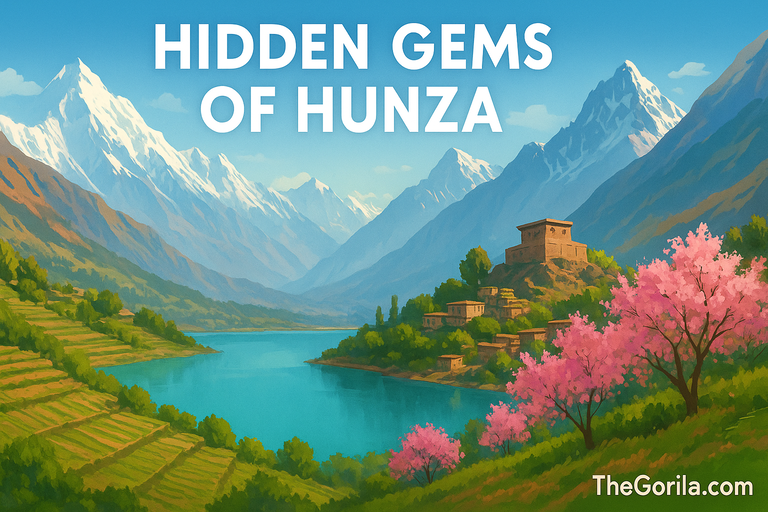
Hunza Valley is synonymous with breathtaking landscapes. Majestic mountains, crystal-clear rivers, and lush green fields form a picture-perfect setting for travelers. Rakaposhi, standing at 7,788 meters, dominates the horizon, while Ultar Sar adds another layer of grandeur to the scenery.
Hunza is also home to stunning lakes such as Attabad Lake, formed after a landslide in 2010, and Borith Lake, a haven for migratory birds. These serene water bodies offer activities like boating, photography, and peaceful reflection amidst nature.
Much like sacred Himalayan pathways, Hidden Travel Gems of Hunza reveals ancient beliefs, rituals, and cultural identity preserved in this timeless valley.
The Power of Nature in Himalayan Spirituality
Rivers, Lakes, and Glaciers as Spiritual Symbols
The Himalayas are home to rivers worshipped for purification and renewal. Sacred lakes such as Mansarovar and Gosaikunda hold deep mythological significance and attract thousands seeking mental and spiritual cleansing.
Mountains Worshipped as Living Gods
Mountains like Kailash, Nanda Devi, Kanchenjunga, and Rakaposhi are seen as divine beings. Rituals performed at sunrise or sunset honor these peaks as guardians of the region.
How Modern Travelers Experience Sacred Himalayan Pathways
Traveling Responsibly
Modern travelers are increasingly drawn to the Himalayas in search of peace and spiritual awakening. However, respecting local customs and supporting eco-friendly tourism practices is essential to preserve the purity of sacred sites.
Tips for Pilgrims and Cultural Explorers
- Prepare physically for high-altitude journeys
- Observe local etiquette at monasteries and temples
- Avoid disturbing ongoing rituals
- Support local guides, artisans, and homestays
The Future of Himalayan Spiritual Heritage
Climate change, tourism pressure, and loss of oral traditions pose challenges for Himalayan culture. Yet, monastic education, community initiatives, and global support are empowering locals to preserve their spiritual heritage.
The Sacred Pathways of the Himalayas remain resilient—standing as silent witnesses to humanity’s ongoing search for meaning.
Conclusion – The Timeless Spiritual Heart of the Himalayas
The Himalayas are more than mountains—they are living museums of ancient wisdom. The sacred pathways carved into their slopes continue to guide pilgrims and travelers toward deeper understanding, personal growth, and spiritual awakening.
Whether you’re exploring remote monasteries, witnessing rituals under starlit skies, or learning from the traditions of mountain communities, one truth becomes clear:
The soul of the Himalayas is eternal, and its sacred pathways continue to illuminate the human spirit.
FAQs – Sacred Pathways of the Himalayas
1. What are the Sacred Pathways of the Himalayas?
The Sacred Pathways of the Himalayas refer to ancient spiritual routes used by monks, pilgrims, and local communities for centuries. These paths connect monasteries, temples, meditation caves, and culturally important villages across the Himalayan range. They represent a blend of spirituality, history, and living cultural traditions that still shape mountain life today.
2. Why are these Himalayan pathways considered sacred?
These pathways are sacred because they are associated with legendary saints, ancient rituals, and spiritual practices. Many trails lead to centuries-old monasteries, holy lakes, and pilgrimage sites where rituals, prayers, and festivals continue to be performed today.
3. Can tourists visit these sacred pathways?
Yes, many of the Sacred Pathways of the Himalayas are open to travelers. Popular routes like the Ladakh Monastery Circuit, Nepal’s Mustang trails, and the Spiti Valley pathways welcome visitors who respect local customs and traditions.
4. What kind of rituals can travelers witness?
Travelers can witness a variety of rituals, including morning prayers, butter-lamp ceremonies, mask dances, chanting sessions, and seasonal festivals. Each region offers unique traditions that reflect its cultural identity.
5. Are these Himalayan pathways difficult to trek?
Difficulty varies. Some pathways are easy village-to-village trails, while others involve high-altitude passes. It’s essential to check weather conditions, prepare physically, and travel with a guide if the route is unfamiliar.
6. What is the best time to explore the Sacred Pathways of the Himalayas?
The best time to visit is between April–June and September–October. These periods offer pleasant weather, clear skies, and safe trail conditions, making cultural exploration more enjoyable.
7. Are the cultural traditions still alive along these pathways?
Absolutely. Many communities along the Sacred Pathways of the Himalayas actively preserve rituals, folklore, traditional music, crafts, and spiritual practices. These living traditions are a major reason travelers find the region so captivating.
8. Is photography allowed in monasteries and sacred sites?
In most places, photography is allowed outdoors but may be restricted inside monasteries during prayer sessions. Always ask for permission to respect cultural boundaries.
9. Are there any important cultural sites travelers should not miss?
Yes—monasteries such as Thiksey, Hemis, Tabo, Tengboche, and Lamayuru are considered cultural jewels. Holy lakes like Gokyo and sacred caves in Mustang also offer profound spiritual significance.
10. How can travelers be respectful while exploring these sacred routes?
Travelers should dress modestly, avoid loud behavior, follow local customs, and seek permission before photographing rituals. Supporting local artisans and guides also helps preserve the cultural heritage of the region.