Korean Traditional Villages Culture: Discover Korea’s Most Authentic Heritage
In a country celebrated for cutting-edge technology, neon skylines, and rapid modernization, the Korean traditional villages culture remains one of the most beautiful and deeply rooted treasures of the Korean peninsula. These villages—carved into valleys, nestled against mountains, and shaped by centuries of Confucian philosophy—represent a side of Korea that exists far beyond the bustling streets of Seoul and Busan. Here, time moves differently. Life is quiet, ritualistic, and deeply connected to nature, family lineages, and ancestral wisdom.
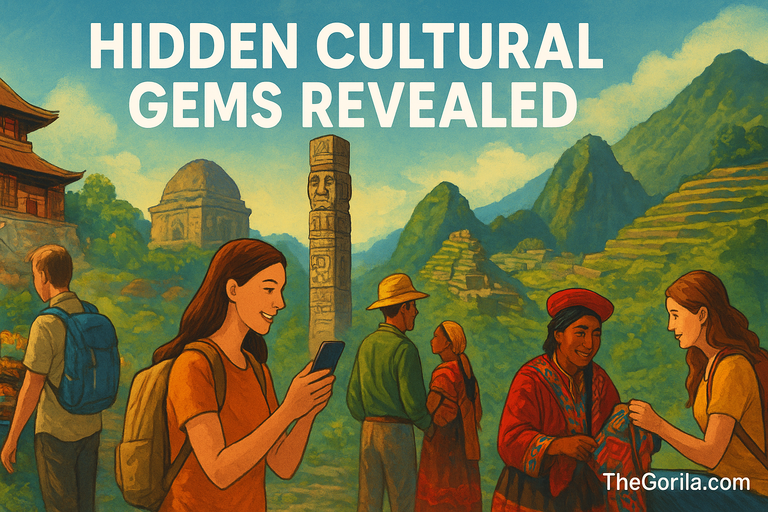
Many travelers today are actively seeking destinations where cultural identity is preserved in its purest form. If you’re fascinated by the charm of untouched traditions worldwide, you may enjoy reading Exploring Hidden Cultural Gems, which reveals ancient customs preserved in remote corners of the globe.
Table of Contents
The Unique Heart of Korean Traditional Villages Culture
A Living Window Into the Joseon Dynasty
To understand Korean traditional villages culture, you must first understand Joseon—the dynasty that shaped Korean ethics, family structures, architecture, and rural landscapes for more than 500 years. Traditional villages were arranged according to Confucian social hierarchies, spiritual geomancy (pungsu-jiri), and family lineage.
Large clan-based villages grew around central ancestral halls, noble homes (yangban), and community gathering spaces.
Villages such as Hahoe and Yangdong still mirror the Joseon-era belief that harmony between human life, family values, and nature leads to a balanced society.
Hanok Architecture: Beauty in Simplicity
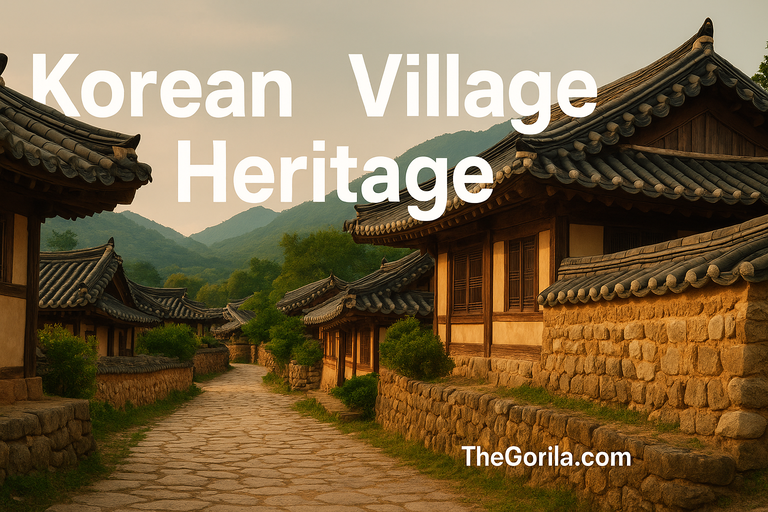
Traditional Korean houses, known as hanok, form the core of village identity. A hanok isn’t just a house; it is a philosophy in wooden form.
Each hanok is built with natural materials—wood, stone, clay, and rice paper—and positioned according to the landscape, seasons, and the path of the sun. The ondol (underfloor heating) system keeps floors warm in winter, while open courtyards create airflow in summer.
Hanok design embodies the Korean ideal of jeong—a deep emotional connection to home, people, and place.
UNESCO Recognition of Cultural Significance
Some Korean villages are globally famous for preserving hundreds of years of cultural integrity. The best examples are Hahoe and Yangdong, both recognized by UNESCO for their exceptional preservation and deep historical value. UNESCO provides a globally respected overview of these villages on its official page for Korea’s Historic Villages of Hahoe and Yangdong, perfectly illustrating their importance and authenticity.
Exploring Korea’s Most Iconic Traditional Villages
Hahoe Folk Village: A Timeless River Village
Hahoe, located in Andong, is one of the most iconic representations of Korean traditional villages culture. Built in the shape of a lotus flower and embraced by the Nakdong River, Hahoe is a living museum of Confucian customs, mask dances, aristocratic homes, and clan traditions. Its dramatic cliffside views and ancient pine forests create a majestic setting, especially during cultural festivals.
Yangdong Village: Korea’s Elegant Aristocratic Settlement
Yangdong showcases a sophisticated aristocratic lifestyle with sprawling ancestral homes, hilltop views, and pathways lined with oak trees. Unlike Hahoe’s riverside setting, Yangdong is built along forested slopes, reflecting a harmonious integration with its natural environment. The village preserves centuries-old homes belonging to influential families, making it a treasure for those exploring Korean heritage.
Namsangol Hanok Village: Old Seoul Hidden in the Modern City
Located at the foot of Namsan Mountain, Namsangol offers a rare chance to experience traditional village life without leaving Seoul. Restored hanoks, a traditional pavilion, time capsule plaza, and cultural performances transport visitors to a different era. Though reconstructed, the village preserves authentic architectural and cultural elements.
Bukchon Hanok Village: A Living Village Within a Modern Metropolis
Bukchon is unique because it is not a museum—it is a real residential area with over 900 hanoks still inhabited by locals. Narrow alleyways, wooden gates, artisan workshops, and hilltop views make it both picturesque and culturally rich. Bukchon represents the coexistence of traditional living within an ultra-modern skyline.
Daily Life, Customs, and Rituals in Korean Villages
Folk Rituals and Community Heritage
Villages are deeply ritualistic. Seasonal rites honor ancestors, celebrate harvests, and protect communities from natural forces. Ancestral worship remains a pillar of Korean traditional villages culture, where clan unity is preserved through carefully maintained rituals.
Community festivals often involve shamanistic rituals, masked dances, and folk games—traditions that connect the physical and spiritual worlds.
Traditional Arts and Cultural Performances
Korean mask dances (talchum), traditional drumming, folk songs, weaving, and pottery are essential cultural expressions. These arts are not merely performances—they are cultural memories passed down through generations. Many villages host annual festivals that showcase these traditions, keeping the heritage alive and relevant.
Clan Identity and Social Harmony
Most historic Korean villages were populated by extended families from a single clan. The community layout—ancestral halls, residential clusters, ritual spaces—reflects this structure. Understanding this system is crucial to appreciating the essence of Korean village culture.
Food Traditions Rooted in the Village Lifestyle
Korean village cuisine is earthy, simple, and deeply tied to the land. Fermentation plays a vital role in rural food traditions.
Dishes such as doenjang (soybean paste), kimchi, and jangajji (pickled vegetables) provide sustenance that lasts through harsh winters. Village kitchens often use wood-fired hearths, producing flavors that modern cooking methods cannot replicate.
Seasonal crops—mountain greens, barley, sweet potatoes, and rice—reflect the natural rhythm of rural life.
Agriculture, Nature, and Spiritual Harmony
Life Shaped by Farming and Natural Cycles
Agriculture is the backbone of Korean traditional villages culture. Fields, irrigation systems, terraced mountain farms, and communal labor reflect a lifestyle built around the seasons. This agricultural rhythm shapes food, rituals, festivals, and social interactions.
Spirituality in Nature
Villages often hold sacred trees, mountain spirits, and guardian deities. These beliefs connect daily life with the land’s spiritual power.
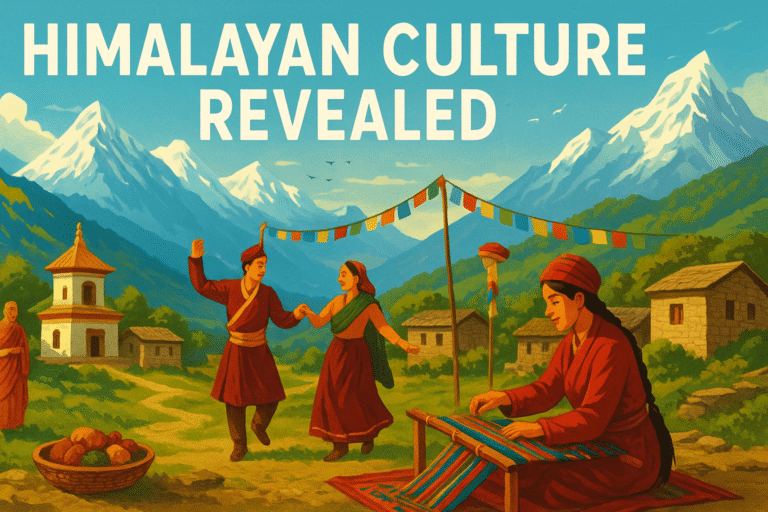
Similar relationships between nature and culture appear in other parts of the world. For example, the traditions of isolated landscapes across Asia are beautifully explored in Rare Cultural Wonders for Forgotten Corners of the World, highlighting how nature shapes cultural identity globally.
Preserving Korea’s Traditional Villages in the Modern Age
National Efforts in Restoration and Conservation
Korea invests heavily in preserving historical architecture, restoring hanoks, protecting ancestral documents, and maintaining traditional pathways. These efforts ensure that future generations experience authentic village life.
Challenges: Modern Tourism and Urban Expansion
Balancing preservation with tourism is one of the biggest challenges. Overcrowding, commercialization, and changing demographics can threaten the authenticity of village heritage.
Cultural Parallels With Other Preserved Regions
Korea is not alone in this struggle. Other remote regions also fight to preserve identity as modernity grows.
Skardu’s ancient Balti culture is a powerful example. The valley’s rituals, lakes, and spiritual landscapes mirror the deep cultural roots seen in Korean villages. For a fuller understanding, you may enjoy reading Hidden Cultural Gems of Skardu, which dives into untouched traditions and mountain heritage.
Why These Villages Matter in the 21st Century
In a world rushing toward modernization, Korean traditional villages culture serves as a reminder of sustainable living, community belonging, and the importance of heritage. These villages offer lessons in mindfulness, intergenerational respect, and harmonious coexistence with nature—values often overshadowed by modern lifestyles.
Travel Guide: How to Experience Korean Traditional Villages Respectfully
Best Seasons to Visit
Spring brings cherry blossoms and fresh greenery, while autumn paints the mountains with vibrant reds and golds. Winter, though cold, offers serene, quiet landscapes and warm hanok stays.
Cultural Etiquette for Visitors
Respect is crucial. Maintain quiet in residential villages, avoid photographing private homes, and follow designated walking paths. Many villagers still live traditional lifestyles, so cultural sensitivity is essential.
Immersive Experiences to Try
- Staying in a hanok guesthouse
- Joining pottery or weaving workshops
- Participating in tea ceremonies
- Watching mask dances or folk music performances
These experiences provide an authentic connection to the heritage preserved in traditional Korean villages.
Conclusion: A Journey Into Korea’s Cultural Soul
Exploring Korean traditional villages culture is like stepping through a time portal into Korea’s living past. These villages are not relics; they are breathing communities where ancestral values, artistry, and harmony with nature continue to shape daily life. As modern cities evolve rapidly, traditional villages remind us of the cultural roots that shaped Korea’s identity.
For travelers seeking depth, authenticity, and meaning, Korea’s traditional villages offer a profound journey into the timeless heart of the nation—a world where heritage is not just remembered, but lived every day.