The Lost Rituals of Central Asia: A Deep Dive Into Ancient Customs & Untold Stories
Central Asia stands as one of the world’s most culturally layered regions, shaped by nomadic empires, Turkic and Persian dynasties, Sufi mystics, Silk Road merchants, mountain shamans, and centuries of oral traditions. Yet, beneath its vibrant history lies a lesser-known truth—many of its oldest customs are fading, vanishing quietly as modern life replaces ancient rhythms.
This long-form guide takes you deep into the Lost Rituals of Central Asia, exploring forgotten ceremonies, mystical practices, seasonal traditions, and tribal rituals that once defined the identity of entire civilizations. From sky worship and fire purification rites to warrior blessings, ancestral ceremonies, and mountain pilgrimages, these rituals shaped the emotional, spiritual, and communal life of countless generations.
But as modernization, political shifts, and globalization reshape Central Asia, these rituals risk disappearing forever. This article unveils them with care, depth, and cultural respect—ensuring their stories remain alive.
Table of Contents
The Ancient Soul of Central Asia — Where Rituals Began
The Silk Road: A Giant Cultural Engine
For thousands of years, the Silk Road served as the crossroads between East and West. Travelers carried not only goods but also chants, myths, spiritual beliefs, herbal knowledge, and ceremonial traditions. Ancient rituals from Persia, Mongolia, India, China, and Arabia merged into the unique cultural landscape we now recognize.
According to UNESCO’s Silk Road intangible cultural heritage records, this exchange played a major role in shaping spiritual practices, seasonal festivals, and ancestral customs across Central Asia. It explains why the region’s rituals share similarities with cultures thousands of miles apart.
These exchanges laid the foundation for the rituals we explore today.
Nomadic Rituals That Defined Central Asian Identity
Sky, Sun & Fire Worship Among Steppe Tribes
Long before Islam and Buddhism reached the mountains and deserts of Central Asia, the nomadic tribes practiced Tengriism—a spiritual belief rooted in sky worship.
Key elements included:
- Sky rituals honoring Tengri, the eternal blue deity
- Sun ceremonies symbolizing life, hope, and protection
- Fire purification rites performed before travel or battles
- Sacred animal offerings, especially horses and eagles
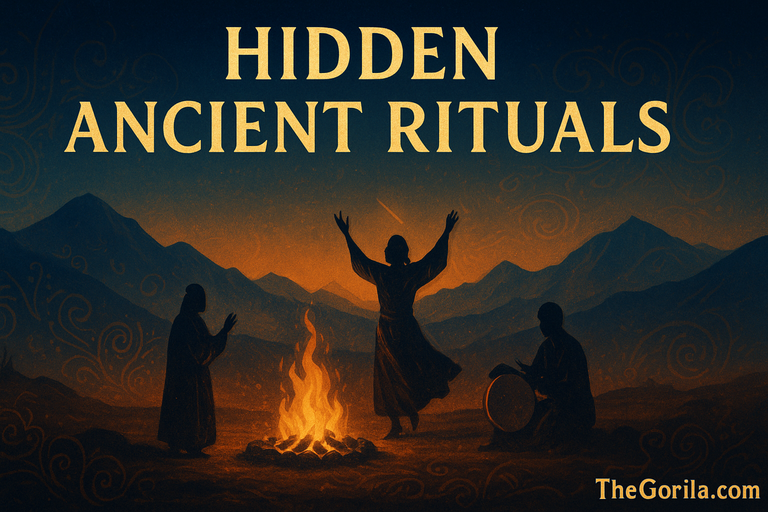
- Shamanic drum ceremonies to communicate with ancestral spirits
Fire was considered a living being—capable of cleansing misfortune and restoring spiritual balance. Shamans used smoke to ward off illness, misfortune, and evil energies.
These rituals formed the backbone of tribal unity.
Sacred Life-Cycle Rituals — Birth, Marriage & Ancestral Bonds
Birth Ceremonies & Protective Blessings
Traditional tribes performed multi-day rituals when a child was born:
- A naming ceremony guided by elders
- Smoke cleansing to protect the infant from spirits
- Blessings using eagle feathers and sacred water
- A mother’s isolation period to protect her energy
These rituals reinforced community ties and ancestral responsibility.
Marriage Rituals Rooted in the Mountains
Nomadic marriages involved:
- Ceremonial horse rides
- Ancestral oaths
- Sharing symbolic bread
- Fire circles representing unity
- Gift exchanges between clans
Every gesture held meaning—unity, protection, and ancestral approval mattered far more than material wealth.
Forgotten Spiritual Traditions — Where Mountains Become Sacred
The Mysticism of Mountain Spirits
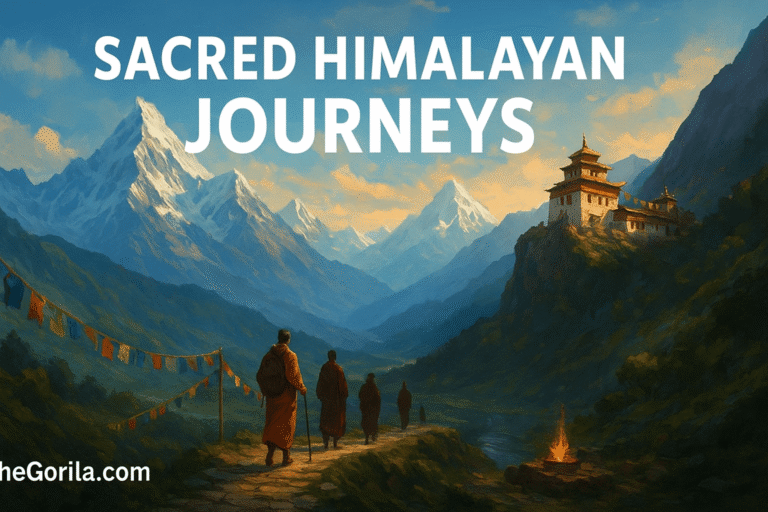
Central Asia is dominated by peaks and high-altitude valleys believed to be dwellings of divine spirits. Tribes believed mountains were portals to unseen worlds.
Rituals included:
- Offerings at sacred springs
- Carving protective symbols on stones
- Seasonal pilgrimages
- Chanting to mountain spirits
- Leaving food at rocks to honor ancestors
This deep spiritual relationship with mountains connects Central Asia to the Himalayan and Karakoram regions.
Internal Link Placement (Skardu)
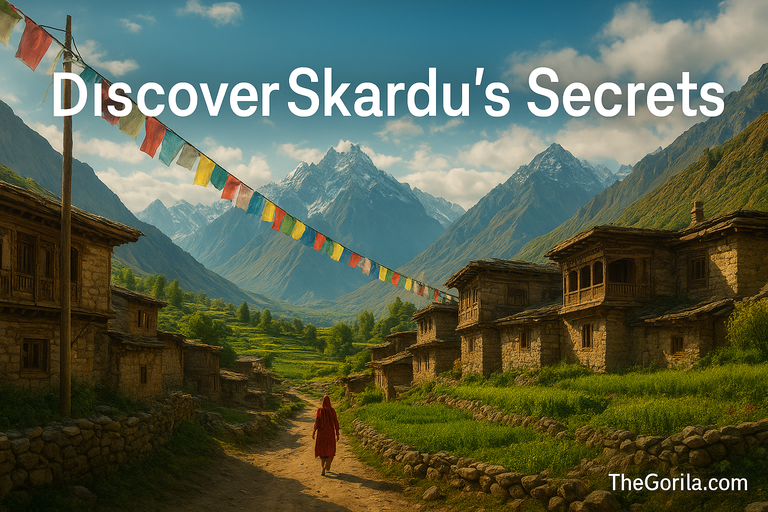
Skardu’s ancient Balti culture is filled with rituals, sacred lakes, and spiritual peaks. The valley’s heritage is deeply linked to mountain spirituality. For a fuller understanding of Skardu’s cultural beauty, you may enjoy reading Hidden Cultural Gems of Skardu, which dives into untouched traditions and landscapes.
Rituals of Warriors, Courage & Brotherhood
Blessings Before Battle
Tribal warriors underwent intense spiritual preparation:
- Purification with fire smoke
- Eagle feather blessings for courage
- Armoring rituals guided by tribal shamans
- Protective tattoos invoking ancestral strength
War was never entered without ritual—protection was spiritual as well as physical.
Oath Ceremonies & Brotherhood Feasts
After battles or during alliance-making, tribes held ceremonies involving:
- Unity feasts
- Shared drinks symbolizing loyalty
- Exchange of ancestral stories
- Stomping dances for victory
These gatherings strengthened clan bonds and maintained peace.
Revival of Lost Rituals in Remote Valleys
Hunza — A Living Cultural Museum
Some ancient traditions survive in remote regions where modernization arrived late. Hunza, with its storytelling nights, orchard rituals, and mountain celebrations, mirrors many Central Asian customs.
To explore cultural connections preserved for centuries, you may enjoy Hidden Travel Gems of Hunza, which reveals mystical traditions and community life.
Rituals Rooted in Nature, Seasons & Harvest
The Festivals of Moon Cycles, Fire & Spring
Central Asian festivals were connected to the natural world:
- Navruz: The Persian New Year and spring rebirth
- Harvest rituals honoring fertility gods
- Moon ceremonies guiding farmers
- Winter cleansing rituals through fire and smoke
Each season carried spiritual significance.
Himalayan & Central Asian Spiritual Connection
Shared Rituals Across Borders
The Pamirs, Karakoram, Hindukush, and Himalayas share a ritualistic history rooted in Central Asian nomadism. Practices like stone offerings, river blessings, and mountain pilgrimages appear across these regions.
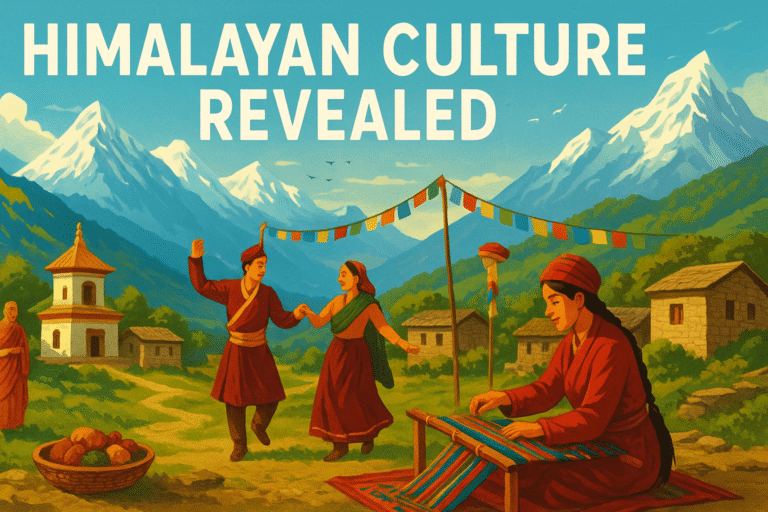
For deeper insights into these parallels, you may enjoy Inside Himalayan Culture, which reveals ancient mountain traditions still practiced today.
Why Central Asian Rituals Are Disappearing
Modernization, Migration & Language Loss
Urban migration is one of the biggest threats to the Lost Rituals of Central Asia. Younger generations often leave villages, losing access to elders and oral traditions.
War, Borders & Political Change
Throughout the 20th century, political upheavals replaced traditional tribal systems with modern state structures, suppressing communal rituals and restricting tribal gatherings.
Commercialization & Tourism
Some traditions survive but have transformed into performance-based shows, losing authenticity in the process.
Efforts to Preserve Central Asia’s Ritual Heritage
Local Communities & Cultural Keepers
Folklorists, tribal elders, musicians, and historians continue documenting old rituals.
Global Organizations & Preservation Projects
UNESCO and anthropological institutes work to archive rituals through manuscripts, photography, and fieldwork. While preservation cannot revive all lost customs, documentation ensures they are never forgotten.
Timeless Stories That Survive Through Generations
Legends, Myths & Shamanic Tales
Even when rituals fade, stories remain. Central Asia’s oral heritage preserves:
- Hero legends
- Spirit encounters
- Shamanic journey tales
- Animal symbolism
- Moral epics and tribal histories
These stories maintain cultural memory even when rituals disappear.
Conclusion
The Lost Rituals of Central Asia form a profound and irreplaceable heritage. They provide insights into ancient human connections with nature, community, and spirituality. Although many traditions face extinction, their essence lives on in legends, festivals, mountain communities, and scholarly preservation efforts.
By understanding and documenting these rituals, we contribute to the protection of global cultural heritage — keeping the wisdom of our ancestors alive for generations to come.